The psychology behind effective quiz design
Remember that sinking feeling in your stomach when you’d stare at a quiz and realize you studied all the wrong things? I sure do. It was my sophomore year biology final—the one whe...
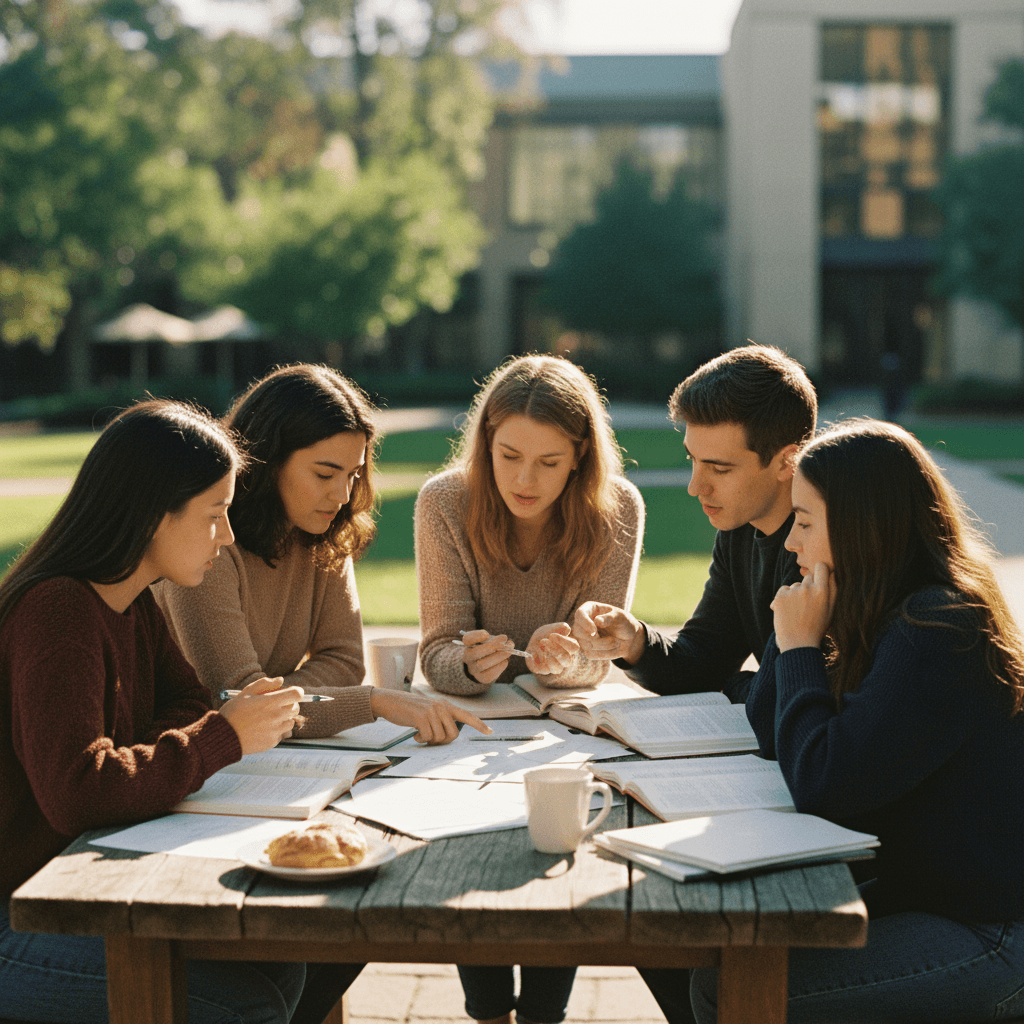
Remember that sinking feeling in your stomach when you’d stare at a quiz and realize you studied all the wrong things? I sure do. It was my sophomore year biology final—the one where I’d spent hours re-reading textbooks and highlighting notes in every color of the rainbow. I walked in feeling prepared, but the moment I turned over the paper, my confidence evaporated. The questions weren’t just asking me to recall facts; they were asking me to apply concepts in ways I’d never practiced. I left that room realizing something crucial: there’s a huge difference between feeling like you know the material and actually being able to use it.
That experience sparked my curiosity about why some assessments actually help learning stick while others just measure what we’ve temporarily memorized. What I discovered changed how I both study and teach: effective quiz design isn’t just about testing knowledge—it’s about reinforcing it. When designed with psychological principles in mind, quizzes transform from anxiety-inducing chores into powerful learning tools that build confidence and deepen understanding.
Why Do We Remember Some Things and Forget Others?
Think about the last song you couldn’t get out of your head. What made it stick? Probably repetition, emotional connection, or the fact that you actively engaged with it—maybe you even sang along. Our brains work similarly with academic material. The key lies in understanding how memory functions and how we can work with our brain’s natural wiring rather than against it.
I once tutored a student named Maya who struggled with historical dates. She’d create beautiful timelines, stare at them for hours, and still mix up events during tests. Then we tried something different: instead of just reviewing her timelines, I started asking her to recreate them from memory. The first few attempts were messy—she’d get frustrated and want to look at her notes. But within weeks, something remarkable happened. The act of struggling to retrieve the information—what cognitive scientists call active recall—actually strengthened her memory far more than passive review ever had.
This isn’t just Maya’s story—it’s backed by decades of research. When we force our brains to retrieve information, we’re essentially telling our neural pathways: “This is important—strengthen this connection.” Every time we successfully recall something, we make it easier to recall again in the future. This is why the most effective quiz techniques often feel more difficult in the moment—they’re making our brains work harder, which ultimately makes learning more durable.
How Can We Make Learning Stick?
If you’ve ever crammed for an exam and then forgotten everything by the following week, you’ve experienced the limitations of massed practice. Our brains aren’t designed to absorb information in giant, one-time chunks. They learn better through repeated exposure spread over time—a phenomenon known as spaced repetition.
My friend David, a language teacher, witnessed this transformation with his students. He used to dedicate entire class periods to vocabulary review, only to find his students struggling to remember the words the next month. Then he started implementing brief, frequent vocabulary quizzes at the beginning of each class—just five minutes reviewing words from previous weeks alongside new material. The difference was astounding. His students weren’t just memorizing words temporarily; they were integrating them into their long-term memory.
The magic of spaced repetition lies in its timing. By revisiting information just as we’re about to forget it, we signal to our brain that this knowledge matters. This approach transforms quizzes from mere assessment tools into learning events themselves. Tools like QuizSmart have embraced this principle by automatically scheduling review sessions based on when you’re most likely to forget material, making spaced repetition practical for busy students and teachers.
What Separates Good Quiz Design From Great?
The most effective quizzes share several psychological principles that make them powerful learning tools rather than just evaluation methods. They create desirable difficulties—challenges that feel tough in the moment but yield long-term learning benefits.
Consider mixed practice, sometimes called interleaving. Instead of grouping similar problems together (like solving twenty geometry problems in a row), the most effective quizzes mix different types of questions. This feels harder—your brain has to constantly switch gears—but research shows this very struggle helps you learn better and retain knowledge longer. It’s like cross-training for your brain: instead of just building one mental muscle, you’re developing the flexibility to know which approach to use when.
Then there’s the power of self-testing. I’ve seen students who regularly test themselves outperform those who simply “study more” because they’re not just familiar with material—they’re practiced at retrieving it. This is why creating your own practice quizzes can be so transformative. When you have to think about what makes a good question, you engage with the material at a deeper level.
The best quizzes don’t just measure what you know—they change what you know by strengthening the pathways to that knowledge.
Real-World Application: From Classroom to Kitchen Table
I recently watched a chemistry teacher transform her students’ approach to test preparation through smart quiz design. Instead of handing out practice problems with the chapter numbers clearly labeled, she created mixed worksheets that combined concepts from throughout the semester. Her students initially complained that it was “too hard” and “confusing,” but by the final exam, they were solving problems with a flexibility and confidence she’d never seen before.
At home, I’ve seen this work with my niece who struggled with multiplication tables. We ditched the flashcard marathons and instead played quick-fire quiz games during car rides or while waiting for dinner. These brief, frequent sessions—sometimes just two minutes—made more difference than our hour-long weekend study sessions ever had. She wasn’t just memorizing facts; she was building retrieval strength.
Even professional development workshops have embraced these principles. I attended a teacher training where instead of lecturing about new techniques, the facilitator had us complete short quizzes that applied the concepts we were learning. By experiencing well-designed assessments ourselves, we understood their power in a way no lecture could ever convey.
The Quiz as Learning Companion
What if we started viewing quizzes not as judgment days but as learning companions? The most effective quiz techniques recognize that assessment and learning aren’t separate processes—they’re two sides of the same coin. When we embrace active recall and spaced repetition through regular self-testing, we’re not just preparing for a test—we’re building knowledge that lasts.
The next time you sit down to study or plan a lesson, consider this: the struggle you feel during a challenging quiz isn’t a sign that you’re failing—it’s evidence that you’re building stronger, more durable learning. Those moments of reaching for knowledge, of almost-but-not-quite remembering, are precisely when the most powerful learning occurs.
So whether you’re a student designing your own study plan or an educator creating classroom assessments, remember that the most effective quizzes aren’t just about finding out what you know—they’re about making what you know permanent. And that’s something worth testing.